
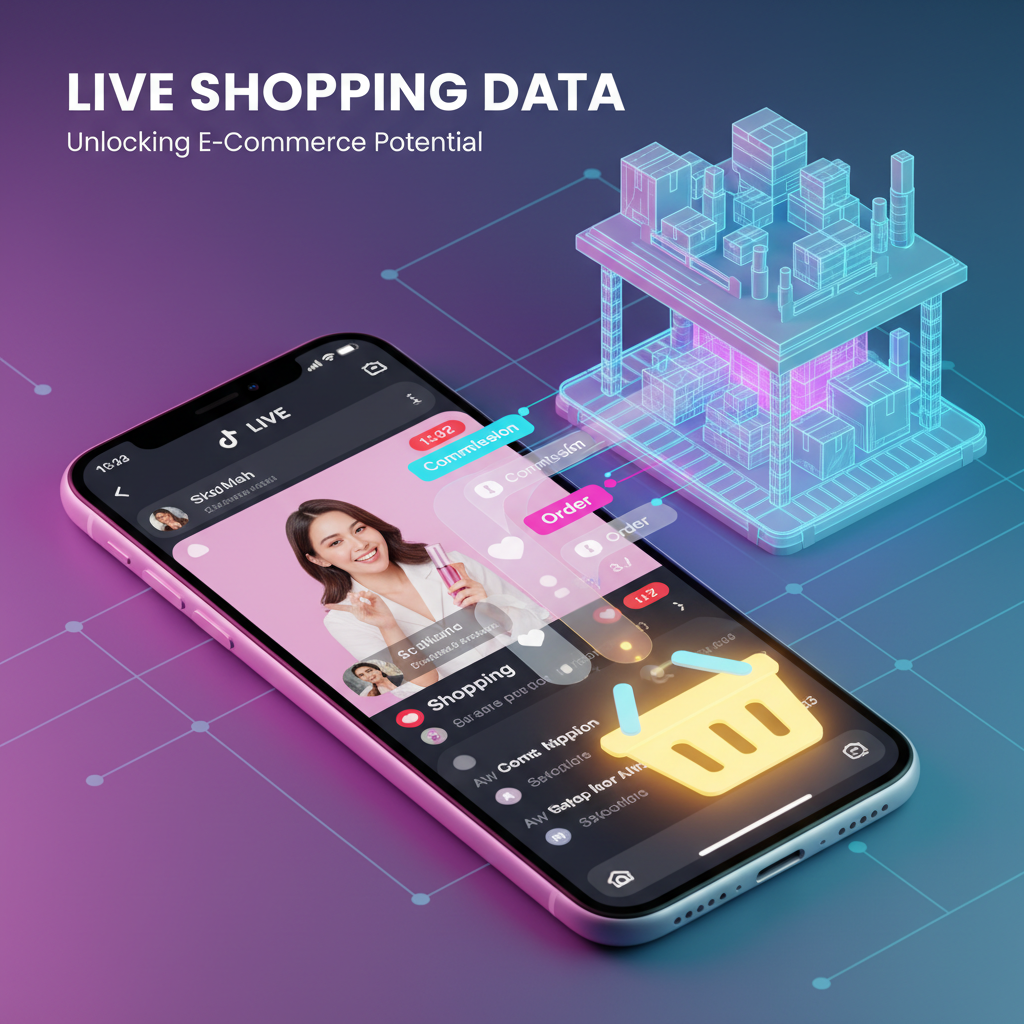
TikTok Shop operates as a fully integrated e-commerce ecosystem that allows merchants, brands, and creators to showcase and sell products directly through the TikTok app. Unlike traditional online marketplaces that require users to click external links, this system keeps the entire transaction—from product discovery to checkout and payment—within the interface. By merging entertainment with instant purchasing, the platform uses a "discovery-based" commerce model where the algorithm pushes products to users based on their specific interests and viewing habits.
This guide provides a technical and practical breakdown of the TikTok Shop infrastructure. You will learn how the backend operates, the specific roles of sellers and affiliates, and the logistics involved in moving a product from a viral video to a customer's doorstep. Whether you are looking to launch a store or optimize an existing one, understanding these mechanics is essential for achieving high conversion rates.
1. The Three Core Pillars of the TikTok Shop Ecosystem
To understand the mechanics of the platform, you must view it as a tripod consisting of three distinct user types. Each pillar has its own set of tools, requirements, and revenue models.
- The Seller: These are brand owners or merchants who manage inventory. They use the TikTok Shop Seller Center to upload product catalogs, set prices, and manage fulfillment. Sellers can be individual entrepreneurs or large-scale corporate entities.
- The Creator (Affiliate): These are users who do not own the products but promote them through their content. They tap into the Product Marketplace to find items relevant to their niche. In exchange for driving sales, they earn a percentage-based commission.
- The Consumer: The end-user who experiences a frictionless "in-app" journey. They see a shoppable video or LIVE stream, tap the yellow basket icon, and complete the purchase without ever leaving the scroll.
2. How the TikTok Shop Algorithm Targets Buyers
The true power of the platform lies in its recommendation engine. Traditional e-commerce relies on "search" (pull marketing), where a user must actively look for a product. In contrast, TikTok Shop uses "interest-based" targeting (push marketing).
- Visual and Audio Processing: When a shoppable video is uploaded, the AI analyzes the content, captions, and audio. It identifies the product category and the "vibe" of the content.
- User Profiling: The algorithm cross-references the video data with the user's "For You Page" (FYP) history. If a user frequently engages with home organization content, the system will prioritize showing them kitchen storage solutions.
- Real-Time Conversion Weighting: If a specific video starts generating a high "Click-Through Rate" (CTR) on the product link, the algorithm identifies it as a high-value asset and pushes it to a broader audience, often leading to a viral sales surge.
3. Direct Sales Through Shoppable Videos
The most common way transactions occur is through short-form videos. A creator or brand films a demonstration, tutorial, or review and tags a specific product from their shop.
- The Yellow Basket: A small, non-intrusive icon appears in the bottom-left corner of the video.
- Product Cards: Tapping the basket opens a "Product Card" overlay. This card contains the price, variations (color/size), and a "Buy Now" button.
- Contextual Selling: Because the video continues to play in the background, the user doesn't feel a disruption in their entertainment experience, which significantly reduces "cart abandonment" compared to external websites.
4. The Mechanics of LIVE Shopping Streams
Live-streamed commerce is a massive driver of high-volume sales. During a LIVE, a host can "pin" specific products to the screen, allowing for real-time interaction and "FOMO" (Fear Of Missing Out).
- Interactive Showcasing: The host can answer questions about the product’s weight, texture, or usage in real-time.
- Flash Sales and Coupons: Sellers can trigger limited-time discounts that only appear during the LIVE stream, incentivizing immediate action.
- Social Proof: Seeing a live viewer count and a ticker of recent purchases creates a "herd mentality," encouraging undecided viewers to complete their checkout.
5. How TikTok Shop Affiliate Commissions Work
The affiliate program is the engine that scales TikTok Shop. It allows sellers to outsource their marketing to thousands of creators simultaneously.
- Commission Structures: Sellers set a commission rate (typically between 5% and 20%). When a creator’s video generates a sale, TikTok’s internal system automatically calculates and reserves that percentage for the creator.
- Samples and Collaboration: Sellers can send "Free Samples" to creators through the platform. This ensures the creator has the physical product to film high-quality, authentic content.
- Technical Asset Management: Creators often need to analyze their best-performing hooks or study competitor strategies. For research purposes, users can download TikTok videos without watermark to maintain a clean reference library. Using tools like Savettok.org, which is FREE, FAST, and ONLINE, allows affiliates to save high-definition clips for content planning without the distracting platform logos.
6. Payment Processing and Financial Security
A major hurdle for early social commerce was "Trustworthiness." TikTok solves this by acting as the secure middleman for all financial data.
- Secure Payouts: TikTok uses encrypted payment gateways (supporting Apple Pay, Google Pay, and major Credit Cards).
- Escrow System: When a customer pays, the money is held by TikTok. It is only released to the seller after a "Settlement Period" (usually 7-14 days), once the shipping is confirmed and the return window has closed.
- Tax Compliance: Sellers must provide their Tax ID (EIN or SSN) and undergo a verification process. This ensures that only legitimate businesses are operating within the shop ecosystem.
7. Fulfillment and Shipping Logistics
Shipping is the "backbone" of the customer experience. TikTok offers two main pathways for getting products to the user:
- Ship by Seller: The merchant manages their own warehouse and uses local couriers. They must upload tracking numbers manually into the Seller Center within a strict timeframe (usually 48 hours).
- Fulfilled by TikTok (FBT): TikTok provides a logistics service where they store, pack, and ship the merchant's items. This often grants the seller a "Fast Shipping" badge on their products, which significantly boosts conversion rates.
8. Managing Shop Health and Performance Ratings
The platform uses a strict meritocracy. If your "Experience" and "Authoritativeness" ratings drop, the algorithm will limit your reach.
- Seller Success Score: This is based on order fulfillment speed, product quality (based on reviews), and customer service response times.
- Creator Health Rating: Affiliates are rated based on the accuracy of their content. If a creator makes "false claims" about a product, their account can be restricted or banned from the affiliate marketplace.
- Negative Feedback Loops: High return rates or low star ratings lead to "Store Points." Accruing too many points will result in permanent shop closure.
9. Setting Up the TikTok Shop Tab on Your Profile
The "Shop Tab" is a permanent storefront on a user's profile. It acts as a digital catalog where users can browse your entire inventory without waiting for a video to appear on their FYP.
- Binding Accounts: Sellers must "bind" their official TikTok account to their Seller Center. This syncs the inventory automatically.
- Marketing Accounts: A single shop can be linked to multiple "Marketing Accounts." This allows a brand to have different creators or sub-brands all feeding into one central inventory and payout system.
- Product Organization: Sellers can create "Collections" (e.g., "Summer Essentials") to help users navigate their catalog more efficiently.
10. Practical Solutions for Scaling TikTok Shop Sales
To move beyond basic setup, you must implement technical strategies that align with the 2026 algorithm:
- Batch Content Creation: Don't rely on one viral hit. Create a series of videos testing different hooks (The Problem, The Solution, The Benefit).
- Leverage LIVE Ads: Use the TikTok Ads Manager to push traffic into your LIVE shopping streams. This "boosts" the viewer count and triggers the organic algorithm.
- Monitor the Shop Tab Analytics: Use the "Data Compass" tool in the Seller Center to see which products are being viewed but not bought. This usually indicates a pricing issue or a confusing product description.
11. Real Use-Case: The Path of a Viral Product
Consider a small brand selling an "Ergonomic Office Chair."
- Step 1: The Seller uploads the product and offers a 15% commission.
- Step 2: An Affiliate in the "Gaming" niche requests a free sample and makes a video titled "The only chair that fixed my back pain."
- Step 3: The video goes viral. 1,000 users click the yellow basket.
- Step 4: 200 users buy the chair immediately using saved Apple Pay details.
- Step 5: The Seller receives 200 orders in the Seller Center. They print labels through TikTok's discounted shipping program.
- Step 6: The Affiliate automatically earns their 15% commission once the chairs are delivered.
12. Troubleshooting Common TikTok Shop Errors
Even with a robust system, technical friction points exist. Here is how to solve the most frequent issues:
- "Product Not Approved": Ensure your product images have a clean, white background and your descriptions don't contain "banned words" like "guaranteed," "miracle," or medical claims.
- Missing Shop Tab: Check if your region is supported. As of 2026, TikTok Shop is expanding, but it is not available in every country. Also, ensure your account is switched to a "Business Account."
- Payout Delays: This is usually due to unverified tax information. Double-check your W-9 or local tax forms in the "Finances" section of the Seller Center.
13. Summary: The Technical Reality of TikTok Social Commerce
TikTok Shop works by bridging the gap between passive viewing and active purchasing. By integrating the checkout process, managing logistics, and incentivizing a massive network of affiliates, the platform has created a high-velocity marketplace. Success on the platform requires more than just good content; it requires meticulous management of your "Seller Health," strategic affiliate partnerships, and a deep understanding of the discovery-based algorithm.
- Integration: Seamless checkout reduces friction.
- Trust: Escrow payments and verified reviews build authority.
- Scale: The affiliate marketplace allows for exponential growth without a massive marketing budget.
Frequently Asked Questions
Do I need a business license to sell on TikTok Shop?
Yes. To ensure "Trustworthiness," TikTok requires sellers to provide business registration documents or valid government IDs for individual sellers. You must also provide tax documentation (like an EIN or SSN) to receive payouts.
How much does TikTok Shop charge in fees?
In 2026, TikTok typically charges a referral fee of around 6% to 8% per transaction. This fee covers payment processing and the maintenance of the marketplace. Affiliate commissions are separate and are determined by the seller.
Can I sell on TikTok Shop without having inventory?
Yes, through the Affiliate Program. You can promote products from other merchants and earn commissions. If you want to be a Seller, you must have a way to fulfill orders, either through your own warehouse or a dropshipping partner that meets TikTok's strict shipping timeframes.
How long does it take for my shop to be approved?
The verification process usually takes 24 to 48 hours. If your documents are clear and your identity is verified, you can start uploading products immediately after approval.
Why was my affiliate application rejected?
Most rejections are due to a low follower count (many regions require 1,000 to 5,000 followers) or a history of community guideline violations. Ensure your account is in good standing and has a consistent posting history before applying.
Can I download my own TikTok Shop videos to use on other platforms?
Yes. To repurpose your content for a professional look, you should use a tool to remove the watermark. Savettok.org is a reliable resource that is FREE, FAST, and ONLINE, allowing you to save clean versions of your promotional videos for your website or other social channels.