Viral success is often viewed as a game of luck, but it is actually a predictable result of human behavioral patterns and neurochemical responses. When a user decides to share a video, they aren't just passing on entertainment; they are engaging in a form of social signaling. Every share, comment, and "save" is a calculated—though often subconscious—move to enhance their own digital identity or strengthen a social bond. To create content that consistently goes viral, you must understand the psychological "why" behind the click, moving from creative guessing to data-backed engineering.
1. Emotional Arousal and the Impulse to Share
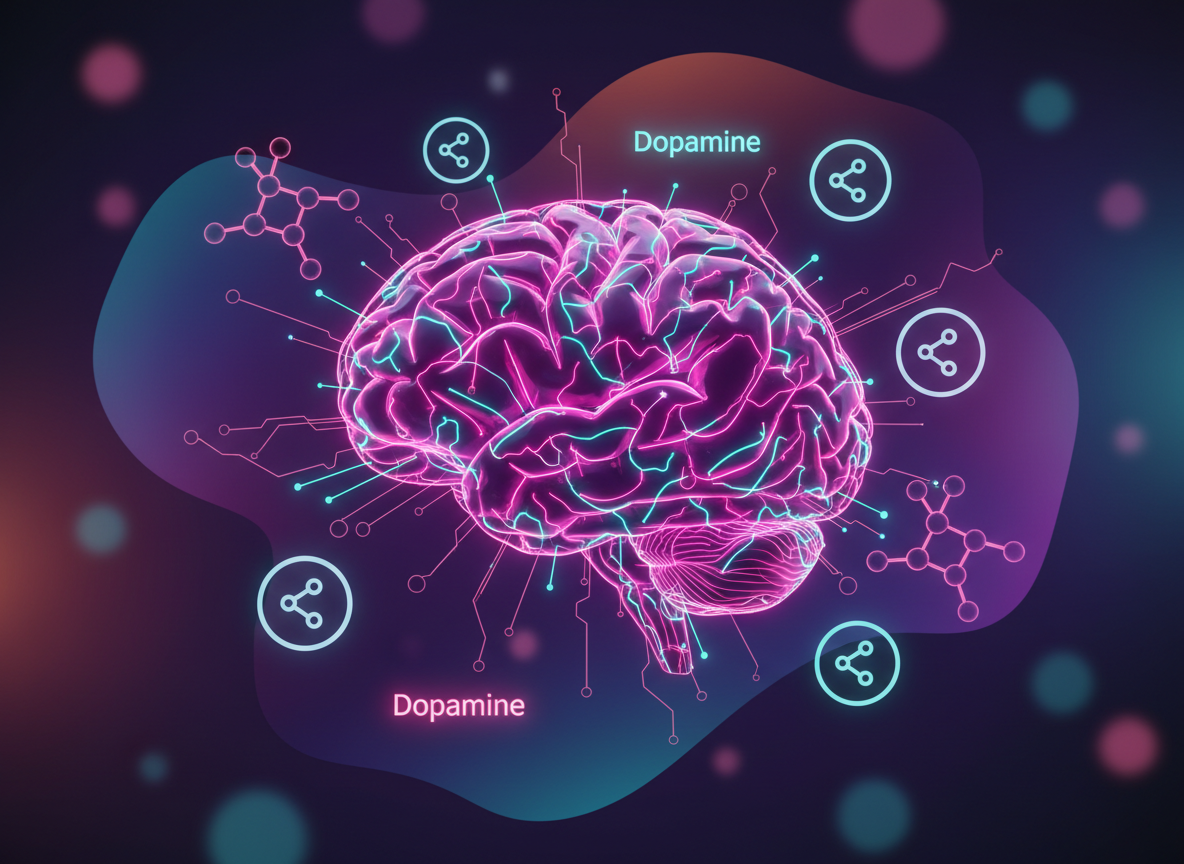
The most significant driver of virality is high-arousal emotion. Content that evokes a physiological response—such as an increased heart rate or a surge of dopamine—is statistically more likely to be shared than content that is merely "pleasant." Psychology identifies two main categories of arousal: positive and negative.
- Positive Arousal: This includes awe, excitement, and amusement. When a viewer sees a technical feat they thought was impossible or a solution to a problem they've struggled with for years, the "awe" response triggers a need to share that feeling with others.
- Negative Arousal: This includes anger and anxiety. While creators should avoid toxic drama, "righteous indignation" or addressing a common frustration (a "pain point") can drive massive engagement. If you highlight an inefficiency in a popular workflow, people share it to validate their own frustration.
By focusing on these high-arousal states, you bypass the analytical brain and trigger the impulsive "share" button. You are effectively providing the viewer with an emotional experience they feel compelled to distribute.
2. Social Currency and the Need for Status
People share content that makes them look good. This is known as "Social Currency." On TikTok, users want to be seen as the person who is "in the know," the person who is funny, or the person who is highly competent. When you produce a video that offers a "secret" tip or a highly efficient life hack, the person who shares it is claiming a portion of that expertise for themselves.
In a technical context, if you share a guide on how to optimize a network or use a new AI tool, your followers share it to signal to their own network that they are also tech-savvy. This is a powerful motivator because it builds the sharer's authority. To leverage this, your content must be high-quality and technically accurate, ensuring that when someone shares it, their reputation is enhanced rather than damaged.
3. The Power of Practical Value in Shareable Content
Practicality is the most underrated trigger for virality. While entertainment gets the "like," utility gets the "save" and the "share." If a video solves a specific, recurring problem—such as "How to recover deleted files" or "The best way to organize a home server"—it becomes a tool.
- Problem-Solution Mapping: Identify a technical pain point your audience faces.
- Immediate Application: Show the solution within the first 15 seconds.
- The "Reference" Factor: Create content that people want to refer back to later.
When content is highly practical, users often want to save it to their own devices for offline study. For those who need to keep these valuable tutorials without the distracting interface overlays, using a utility like Savettok.org is a reliable solution. It is a fast and free online service that allows you to grab those high-utility videos directly to your PC, ensuring the expertise is always available even without an internet connection.
4. Relatability and the "Mirror" Effect
Human beings are hardwired for tribalism and connection. We look for ourselves in the content we consume. This is why "relatable" content—videos that highlight a common, niche experience—performs so well. This is often referred to as the "Mirror" effect: the viewer sees their own life reflected in your video and shares it to say, "This is exactly what I deal with."
For instance, if you are a senior IT supervisor, creating content about the specific frustrations of managing a data center or the satisfaction of a clean cable management job will resonate deeply with other professionals in that field. They share it because it validates their professional reality. This "insider" feeling creates a strong bond between the creator and the audience, which the algorithm rewards with higher distribution.
5. Visual Storytelling and Cognitive Ease
The human brain processes images 60,000 times faster than text. On a platform like TikTok, where the scroll is rapid, you must minimize "cognitive load." This means your video must be easy to understand at a glance. High-quality visuals, clear on-screen text, and a logical flow are not just aesthetic choices; they are psychological requirements.
If a video is cluttered, has poor lighting, or confusing audio, the brain's "avoidance" response kicks in. Conversely, content that uses clean UI, vibrant colors, and rhythmic editing creates a sense of "cognitive ease." This feeling of smoothness makes the viewer more open to the information being presented and more likely to interact with the post. Ensuring your video is watermark-free and professionally presented is key to maintaining this level of trust and clarity.
6. The Curiosity Gap and Information Foraging
Humans are "information foragers." We are biologically driven to seek out new knowledge to ensure our survival and success. The "Curiosity Gap" is the space between what we know and what we want to know. Viral content creators master the art of opening this gap in the first three seconds and not closing it until the end of the video.
To implement this technically, use a "hook" that presents a mystery or a surprising result. For example, "I changed one setting on my router, and my speed doubled." This creates an information itch that the viewer must scratch by watching the entire video. Once the gap is closed, the satisfaction of the "aha!" moment triggers a reward response, making the viewer want to share that same satisfaction with others.
7. Using Social Proof to Trigger the Bandwagon Effect
Social proof is the psychological phenomenon where people assume the actions of others in an attempt to reflect correct behavior in a given situation. On TikTok, this manifests as "the bandwagon effect." When a user sees a video with 100k likes and thousands of shares, their brain automatically assigns it a higher value before they've even watched it.
You can manufacture social proof by encouraging early engagement. Responding to the first few comments, asking a polarizing question, or prompting users to "share with someone who needs this" creates a snowball effect. Once the share count starts to climb, the psychological barrier to sharing drops for everyone else, leading to exponential growth.
8. Authenticity and the Trust Factor (EEAT)
In an era of hyper-filtered content, raw authenticity has become a high-value currency. People share content from creators they trust. This is where Expertise and Trustworthiness (EEAT) become vital. If you show your process—the mistakes, the technical hurdles, and the real-world results—you build a level of rapport that a polished corporate ad can never achieve.
When a viewer trusts you, they are more likely to share your content as a recommendation. They aren't just sharing a video; they are vouching for you. This is why "Behind the Scenes" (BTS) content is so effective. It proves that there is a real, knowledgeable human behind the screen, which satisfies the viewer's need for genuine connection in a digital landscape.
9. Frequently Asked Questions
Why do some low-quality videos go viral while high-quality ones fail?
Virality is driven by psychology, not just production value. A low-quality video that triggers a high-arousal emotion or provides immense practical value will always outperform a high-quality video that has no emotional hook or utility. The "why" is more important than the "how."
How do I use the "Curiosity Gap" without clickbait?
The difference between a curiosity gap and clickbait is the "payoff." Clickbait makes a promise it doesn't keep. A curiosity gap makes a promise and then delivers high-value, expert information that satisfies the viewer. Always ensure your content provides the solution your hook promised.
What is the most shared type of content on TikTok?
The most shared content typically falls into two categories: high-utility "how-to" guides and highly relatable "identity" content. People share things that are either useful or things that help define who they are to their peers.
Does the length of a TikTok affect its shareability?
Yes. Shorter videos (15-30 seconds) are easier to consume and share impulsively. However, longer, in-depth videos (60+ seconds) often get more "saves" if they provide high technical value. For virality, a fast-paced delivery is generally more effective.
Should I ask people to share my videos?
Yes, but do it strategically. Instead of a generic "Please share," use a specific prompt like "Share this with a friend who still uses a slow PC" or "Save this for the next time your internet goes down." This gives the user a specific reason and a specific target for the share.
Is it better to focus on likes or shares for growth?
Shares are a much stronger signal to the TikTok algorithm than likes. A share indicates that the content is valuable enough for someone to stake their own reputation on it. Focus on creating "share-worthy" content, and the likes will follow naturally.